Table Of Content
Though using the essential oil for hair loss is only done topically, be cautious — its effects in this regard are still unknown. Researchers believe rosemary oil works by stimulating hair growth and blocking the effects of a type of testosterone, which shrinks hair follicles and leads to hair loss. A study from 2022 found evidence that rosemary oil can help with hair growth. Here, researchers looked to formulate oleogels (gels made from vegetable oil) containing two essential oils (cedarwood and rosemary) alone and in combination to evaluate their effects on hair growth in rat models. According to Fisherman, “when applying rosemary oil to your hair and scalp, it's important to dilute it with a carrier oil such as jojoba, coconut, or olive oil.
Are there benefits to using rosemary oil on the hair and scalp?
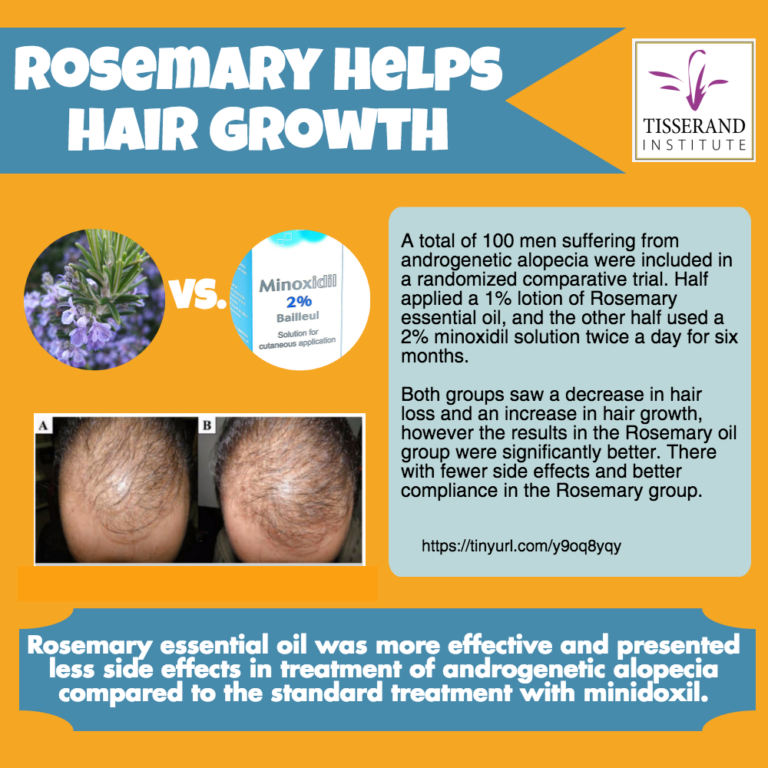
Two separate clinical reviews — one from 2010 and one from 2011 — also acknowledge rosemary’s hair growth potential. The former cites a study with successful hair regrowth in people with alopecia who used essential oils. You can also purchase products for the hair that already contain rosemary oil. When purchasing rosemary essential oil drops, choose 100% pure and undiluted products that do not contain fragrances and additives. When applied to the hair, you can mix a few drops of the rosemary oil with a carrier oil (i.e., olive oil or avocado oil). Another option is to mix a few drops of the oil with your shampoo or conditioner.
Add to Your Favorite Shampoo
As you may have seen on your TikTok FYP, it has many benefits for treating the scalp and hair, and this is one social media craze that actually has research to support its claims, says Ramya Garlapati, MD. You can also apply 2–3 drops directly to a dollop of post-shower hair care products in your hand. Finasteride is a prescription-only DHT blocker effective in treating male pattern baldness by inhibiting the hormone responsible for hair loss. It's essential to consult a healthcare provider to determine if Finasteride is right for you. We spoke with hairstylists to see if—and how—rosemary oil can help promote hair growth. Although rosemary oil can be used on all hair types, it can potentially be a bit heavy on fine, thin, or low-porosity hair (i.e. hair that doesn’t absorb ingredients well and products tend to just sit on top).
13 Best Hair Loss Treatments for Men in 2024 - Medical News Today
13 Best Hair Loss Treatments for Men in 2024.
Posted: Tue, 11 Oct 2022 08:56:14 GMT [source]
Public Goods Organic Rosemary Essential Oil
“It combines rosemary oil and avocado oil to encourage hair growth while delivering moisture,” says Dr. Nussbaum. While typically reserved for elevating the flavor profile of a dish, rosemary can work wonders for hair suffering from damage or stagnant growth. “Rosemary oil is a stimulating ingredient that works to promote hair growth while stimulating blood flow, ultimately strengthening the hair follicle,” says Helen Reavey.
Scroll to discover the best rosemary oil hair products to implement into your haircare routine…
That means you will want to do your due diligence when purchasing essential oils for use in your hair and on your scalp. However, you will want to do a patch test (applying it to a small area to observe for a reaction) before applying it more generally to the skin. In addition to reducing hair loss and stimulating hair growth, rosemary has been linked to other hair and scalp benefits, including reducing dandruff and limiting premature graying. This article will review the possible benefits of rosemary oil for hair growth, its side effects, and how to use it safely. According to Dr. Kobets, there is some evidence in the literature to suggest that rosemary oil can help hair growth by stimulating hair follicles with cytokines and growth factors. Ruggiero cautions against labelling it as a cure-all, as there are multiple factors that contribute to hair loss, with genetics sitting at the top of the list.
Other Benefits of Rosemary Oil
While these results are impressive, it's important to remember that hair loss is an issue caused by multiple factors. While rosemary oil can help, it could also result from the persons' heightened awareness of hair loss which can influence their life changes (reduced stress, more sleep, less/no smoking). When massaged into the scalp, rosemary oil increases microcirculation. This enhances nutrient/oxygen delivery to follicles, promoting optimal growth conditions. It also decreases scalp inflammation, another factor that can impede growth. If you'd rather buy than DIY, check out these rosemary oil products recommended by Real Simple beauty director Heather Muir Maffei.
“Rosemary oil” for hair is a bit of a blanket term that could mean rosemary extract (considered the most potent of the lot), rosemary essential oil, or, often, a blend of the essential oil with a carrier oil. If you’re shopping for a hair product with rosemary oil in it, you’ll see “rosmarinus officinalis leaf extract” for the extract and “rosmarinus officinalis leaf oil” for the essential oil. With testimonials touting its efficacy for alopecia and postpartum hair loss, skeptics might wonder whether there are hard facts to support what seems like another fad. If your strands have been feeling meh lately, you might be wondering if the recent wave of TikTok evangelists praising rosemary oil for hair growth are onto something.
However, hair loss can happen for various reasons, and it may not be useful for all of them. Rosemary essential oil is a common variety you can purchase and use as a home remedy. The oil’s health uses range from antioxidant benefits and anti-inflammation to memory enhancement and more.
What are the side effects of rosemary oil on hair?
Rosemary oil is extracted from the leaves of the rosemary plant, which is native to the Mediterranean area. It's the same fragrant rosemary you season your veggies and garnish your cocktails with and is often considered an aromatic herb, like basil, lavender, and sage. Its fragrance is why it’s often used in perfume formulations, while its potential to help minimize inflammation is why it’s often found in skincare and haircare products.
“Rosemary oil can strengthen circulation and improve blood supply to hair follicles, preventing them from being deprived of essential blood supply,” he explains. “Rosemary oil’s anti-inflammatory properties help to reduce scalp irritation, dandruff, and itching, providing a more optimal environment for healthy hair growth,” Dr. Majeed adds. Alongside its circulation-boosting and antimicrobial properties, it’s a great ingredient for supercharged hair care.
Rosemary is the ingredient du jour, but you should consider a few things before adding it to your routine. “Rosemary extract/oil is extremely concentrated, so it’s generally recommended to dilute it with a carrier oil (such as argan oil, or jojoba oil) before applying it directly to the hair and scalp,” says Reavey. Using rosemary oil for hair growth exploded as a TikTok trend over the past year. Nearly a billion people on the social media app have watched hair-flipping testimonials on the benefits of the extract. The Food and Drug Administration (FDA) does not regulate herbal products like essential oils for purity or potency.
Add a few drops of rosemary oil to the carrier oil to make the oil for massaging into hair. The National Association of Holistic Aromatherapy recommends using no more than 20 drops of essential oil per ounce of carrier oil. You can apply rosemary essential oil directly to the scalp, but you must dilute it using a carrier oil first. Carrier oils, like argan oil, coconut oil, or sunflower oil, can help you use the essential oil safely. Rosemary is a medicinal plant that has been used to treat a variety of ailments, including skin irritation and hair loss.
It is important to take any skin allergies or sensitivities into account when choosing a product. Children and infants may be more sensitive to the concentration of essential oils. This means they may need to be further diluted or avoided altogether.
“The best way to use rosemary oil for hair retention is to lightly apply it to the scalp and massage it throughout the hair," says Peace. "The amount you use will depend on the density of your hair." First things first, Dr. Garlapati says you should always consult a dermatologist to determine the cause of hair loss before attempting to treat it at home. However, she adds that rosemary oil is a good option for those looking to take a natural route to manage the problem. There are a few different potential ways to incorporate it into your regimen.


No comments:
Post a Comment